Attic Mold Remediation in Dallas, TX
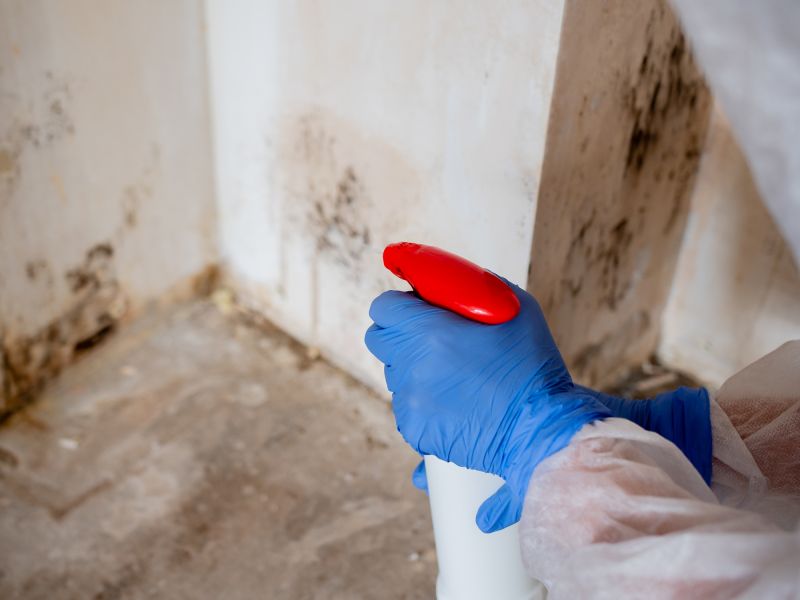
Attic mold remediation services involve identifying and removing mold growth that has developed in the attic space of a home. These projects typically address issues caused by excess humidity, poor ventilation, or leaks that create a moist environment conducive to mold development. Property owners often seek this service when noticing musty odors, visible mold patches, or health concerns related to indoor air quality. The process includes thorough inspection, mold removal, and measures to prevent future growth, helping to restore a healthier attic environment.
Homeowners considering attic mold remediation should understand the importance of early detection and the scope of work involved. It’s helpful to know if the mold is confined to visible areas or if it has spread behind walls or insulation. Clarifying the extent of contamination and the types of materials affected can assist in planning the appropriate remediation approach. Proper assessment ensures that the project addresses the root causes of mold growth and supports long-term attic health.
Many property owners in Dallas, TX look into Attic Mold Remediation for repairs, replacements, upgrades, and appearance-related improvements.
Signs Of Attic Mold
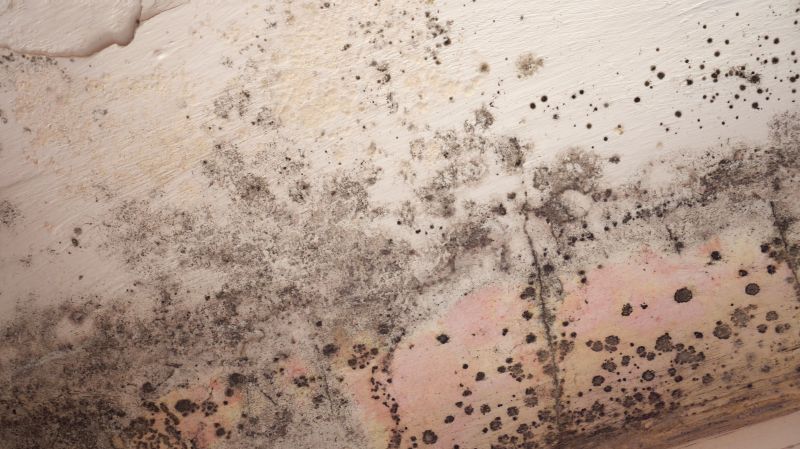
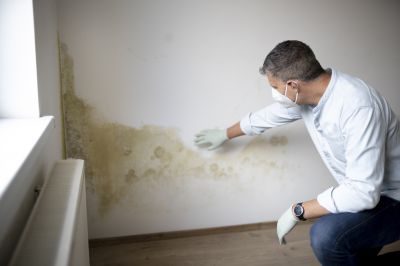
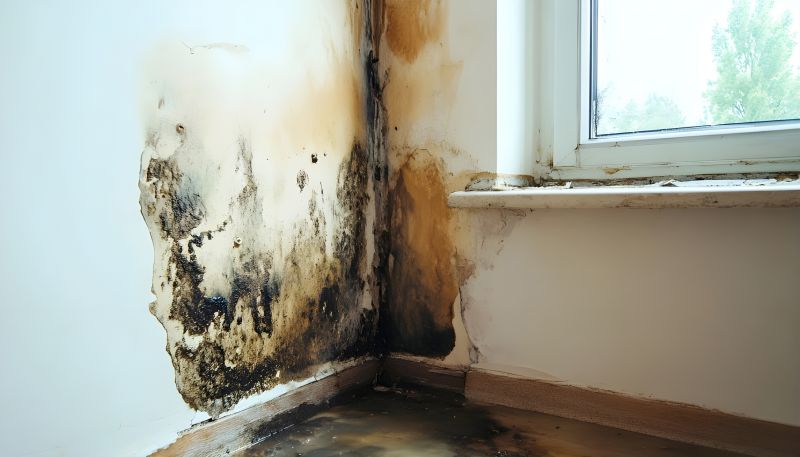
Homeowners may notice musty odors or visible mold growth in the attic area.
Health Risks Of Mold
Attic mold can cause allergies, respiratory issues, and other health concerns for residents.
Prevention And Maintenance
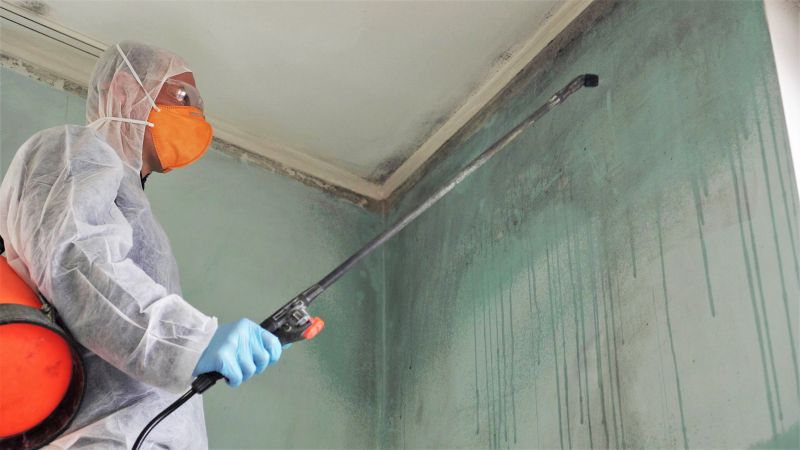
Regular inspections and proper ventilation help prevent mold growth in attics across dallas and nearby areas.
Attic Mold Remediation in Dallas, TX
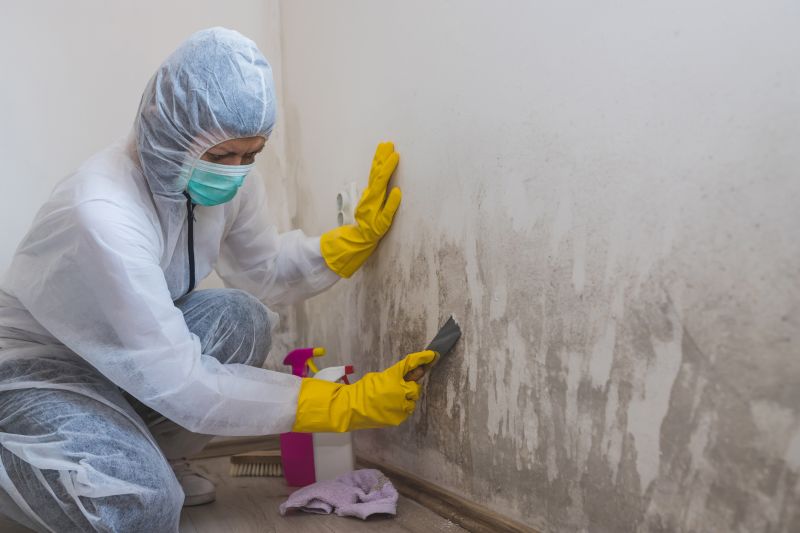
Attic mold remediation services involve identifying and removing mold growth that has developed in the attic space of a home. These projects typically address issues caused by excess humidity, poor ventilation, or leaks that create a moist environment conducive to mold development. Property owners often seek this service when noticing musty odors, visible mold patches, or health concerns related to indoor air quality. The process includes thorough inspection, mold removal, and measures to prevent future growth, helping to restore a healthier attic environment.
Homeowners considering attic mold remediation should understand the importance of early detection and the scope of work involved. It’s helpful to know if the mold is confined to visible areas or if it has spread behind walls or insulation. Clarifying the extent of contamination and the types of materials affected can assist in planning the appropriate remediation approach. Proper assessment ensures that the project addresses the root causes of mold growth and supports long-term attic health.
Many property owners in Dallas, TX look into Attic Mold Remediation for repairs, replacements, upgrades, and appearance-related improvements.
Common Attic Mold Remediation Jobs
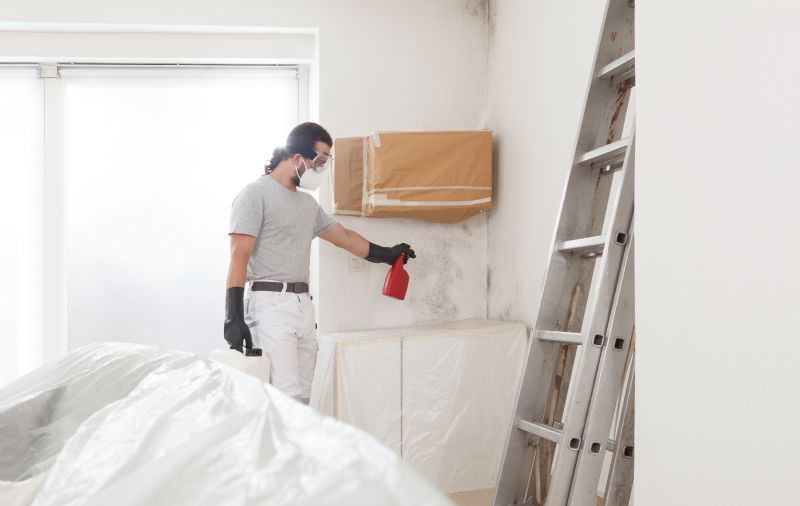
Attic Mold Removal - targeted cleaning to eliminate mold growth in attic spaces.
Mold Inspection - thorough assessments to identify mold presence and sources.
Moisture Control - addressing leaks and humidity issues to prevent mold recurrence.
Air Quality Improvement - removing mold spores to enhance indoor air safety.
Structural Drying - drying affected areas to prevent further mold development.
Preventive Treatments - applying solutions to inhibit future mold growth in attics.
Attic Mold Remediation Questions
What causes mold growth in attics? Mold in attics often results from excess moisture, poor ventilation, or leaks that create damp conditions suitable for mold development.
How can I tell if my attic has mold? Signs include visible discoloration, a musty odor, or increased humidity levels in the attic space.
Is attic mold dangerous? Yes, mold can affect indoor air quality and may cause health issues, especially for allergy or asthma sufferers.
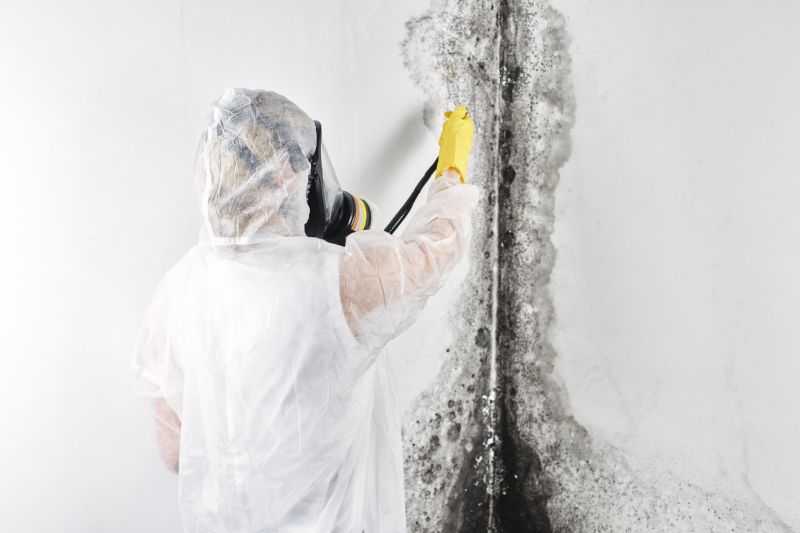
What is the process for attic mold remediation? The process typically involves removing mold-affected materials, cleaning surfaces, and addressing moisture sources to prevent future growth.
Request Attic Mold Remediation in Dallas, TX
Use the quote form on this page to share the basics of your project and request more information for the type of work you need.